
Why Wisconsin? from UW-Madison Graduate School on Vimeo.
The UW–Madison Department of Soil and Environmental Sciences is one of the oldest, largest, and most prominent soil science departments in the United States. It is globally renowned for its excellence in soil research and education. The department’s mission is to provide instruction, research, and extension leadership in soil chemistry, physics, biology, and pedology to economic and sustainable land use. Programs are designed to improve basic understanding and practical management of soil resources in natural, agricultural, and urban ecosystems, and to serve local, state, national, and global interests. The department implements the Wisconsin Idea to the extended community and provides all generations with an appreciation of soil as a key natural resource and thorough understanding of the scientific basis of the environment and agriculture.
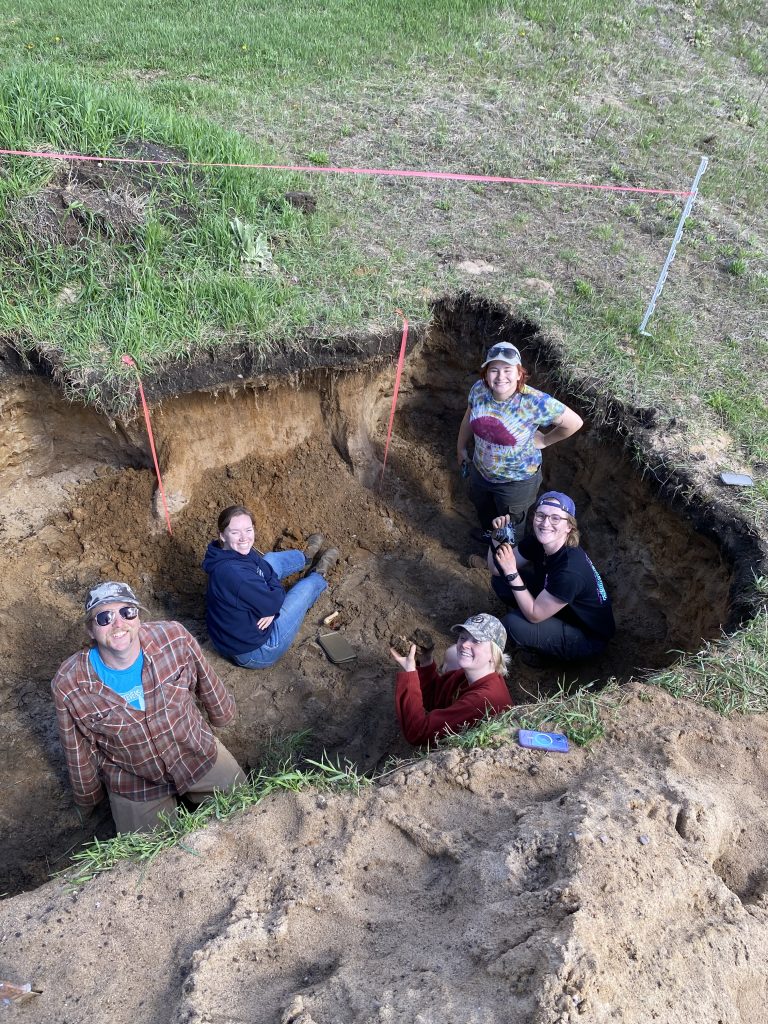
What is soil science?
Soil science entails understanding soils and applying the principles of physics, chemistry, mathematics, and biology to the sustainable management of soil and the environment. Soil science deals with the effects of climate change and its interaction with the soil, with scarcity of water resources, and the increase of food productions to feed 9 billion people. The link between soils and biodiversity as well as the effects of soils on biofuel production is widely researched in the Department of Soil and Environmental Sciences.
What types of jobs can I expect?
The importance of soils in crop production, environmental issues, turf and grounds management, soil conservation, global climate change, carbon sequestration, rural and urban planning, and waste disposal are integrated into the department’s course offerings and research programs. Graduate study in soil science provides the basic and applied scientific training needed for teaching, research, and other professional work in the agricultural, earth, and environmental sciences.
Graduates from the department occupy leading positions in industry, government, education, and research in agriculture, natural resources and environmental science throughout the world. Of the more than 1,000 alumni of the department’s graduate program, many are deans, directors, chairs, faculty, and staff at universities in the US and other countries, or in leading positions in government, regulatory agencies, research institutions, agribusinesses, chemical industries, and recreational and conservation organizations.
How big is the program?
The number of graduate students enrolled in the program over the past 10 years has averaged 22 per year, with about half pursuing master’s degrees and half pursuing doctorates. International students generally comprise about 30% of the total. Department faculty also direct additional graduate students in multidisciplinary research in soils-related programs.
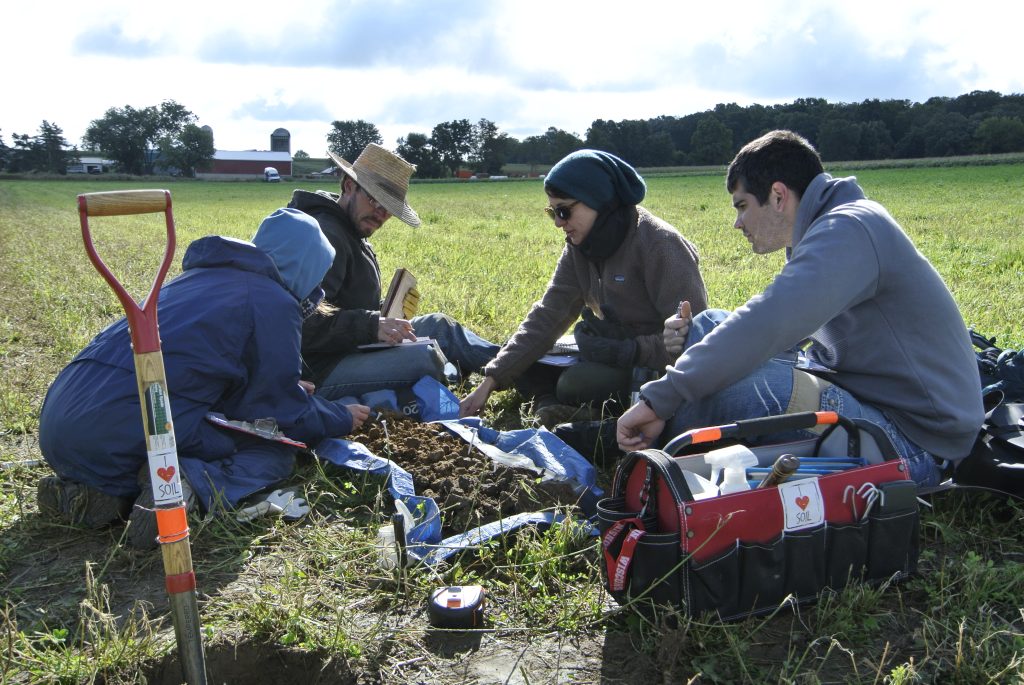
Science & Medicine Graduate Research Scholars (SciMed GRS)
Qualifying students may be eligible to participate in the Science and Medicine Graduate Research Scholars (SciMed GRS) program. SciMed GRS was established in 2008 to enhance the experiences of underrepresented graduate students in the biological sciences. SciMed GRS is a unique program offering professional development, community resources, and funding opportunity for underrepresented minority students. The program currently supports over 140 students yearly in 38 graduate programs spanning four schools and colleges on campus. Since its inception, the program has graduated 113 PhD and 50 MS degree recipients.