
Soil Physics | Soil and Water Management
Sustainable Soil Management Laboratory (Arriaga)
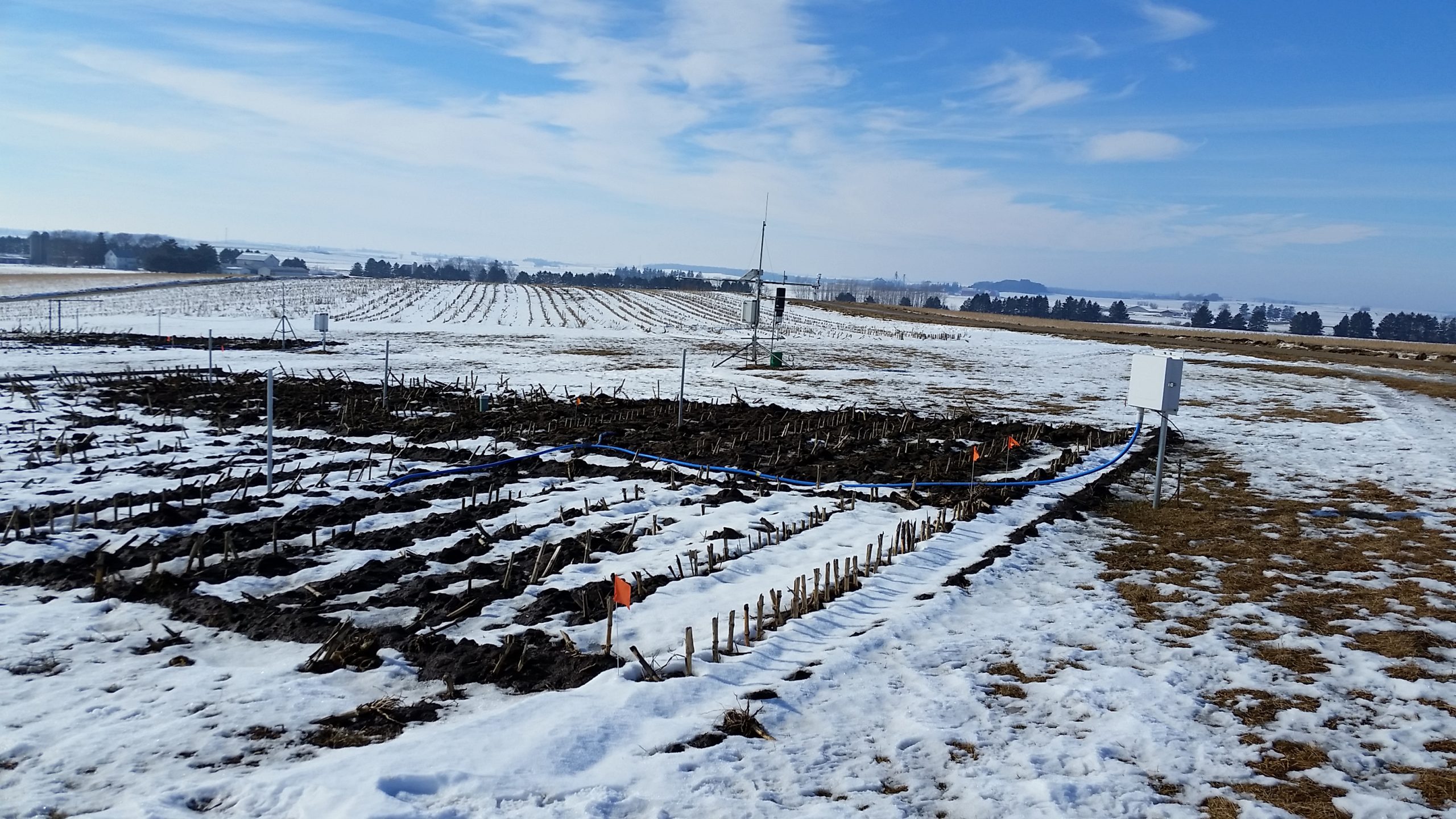
Applied Soil Physics, Soil and Water Management and Conservation: Conservation agriculture systems; development of conservation tillage practices that enhance soil quality, soil hydraulic properties, and plant water use through the adoption of cover crops and non-inversion tillage for traditional cropping systems. Sustainable Soil Management Laboratory.
Soil Sensing and Monitoring Lab (Huang)
Soil Physics, Proximal and Remote Sensing, Digital Soil Mapping, Soil-Vegetation-Atmosphere Interaction: Integrating proximal and remote sensing and process-based models to improve the fundamental understanding of water, carbon, nutrient, and energy cycles under climate change and human disturbance; combining soil sensing technologies, big data analytics, and machine learning to monitor, model, and map water, carbon, nutrient, and energy fluxes across scales for sustainable natural resources management. Soil Sensing and Monitoring Lab.
Lu Lab (Lu)
Global Change Ecology, Biogeochemistry, Ecosystem Modeling, Environmental Sustainability: Agricultural sustainability and resilience; crop nutrient budgets; biogeochemical cycling; Food–Energy–Water nexus; climate adaptation and mitigation; nature-based climate solutions; soil carbon sequestration; greenhouse gas fluxes; land-to-aquatic water, carbon, and nutrient transport; environmental risk assessment related to flood and drought dynamics; process-based land ecosystem modeling; geospatial analytics; big-data integration; AI-enabled hybrid modeling. Lu Lab. Google Scholar.
Watershed Hydrology Lab (Zimmer)
Soil Physics & Hydrology: Physical and Chemical Hydrology: Watershed hydrology, hillslope hydrology, runoff generation, critical zone science, water quality, surface water-groundwater interactions, wetlands, nutrient cycling and biogeochemistry, soil physics, and water resources. Watershed Hydrology Lab. Google Scholar.